Gunbower Forest ferals targeted
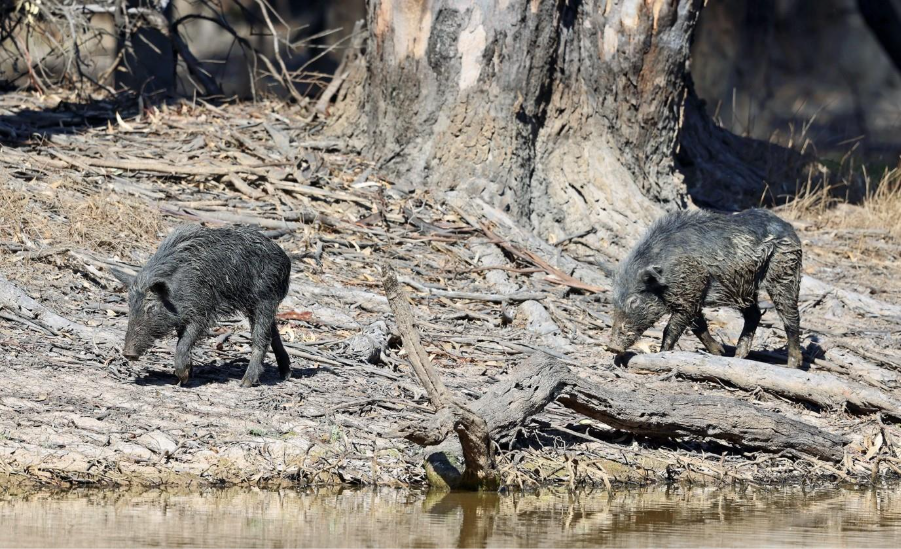
The North Central Catchment Management Authority has Gunbower Forest’s feral pigs and deer in its sights.
Feral pigs prey on native animals and plants and cause severe habitat degradation through extensive rooting and wallowing, which impacts on water quality, triggers soil erosion and weed spread.
They can also host diseases potentially deadly for native animals and livestock, including avian flu.
Deer can degrade biodiversity by overgrazing, ringbarking trees, and wallowing in muddy areas.
Now NCCMA is appealing to locals and visitors to record and report any sightings.
Its acting Ramsar and environmental water program manager Peter O’Toole says feral pigs and deer can cause damage to fragile areas of the forest, as well as destroy crops and fences, and pigs can predate on newborn lambs.
“We know local farmers are doing their bit to try to control these pests, so it’s important we do what we can,” he said.
“Feral pigs and deer can also do a lot of damage to native vegetation in and around our internationally renowned wetlands.
“Deer can eat a lot of native vegetation. We want to protect the places local communities love, as well as help farmers get on top of deer and pig numbers before they become a bigger problem.”
Peter says the first step in reducing feral numbers in the forest is to know where they are.
“We’re encouraging people to download the free FeralScan Pest Mapping app or go to feralscan.org.au and report any sightings,” he explains.
“The phone app is really easy to use, and the data will give us a picture of how pigs and deer are using the forest, highlighting areas of high activity so we can focus our efforts to target them.”