Known Unto God – and a schoolgirl
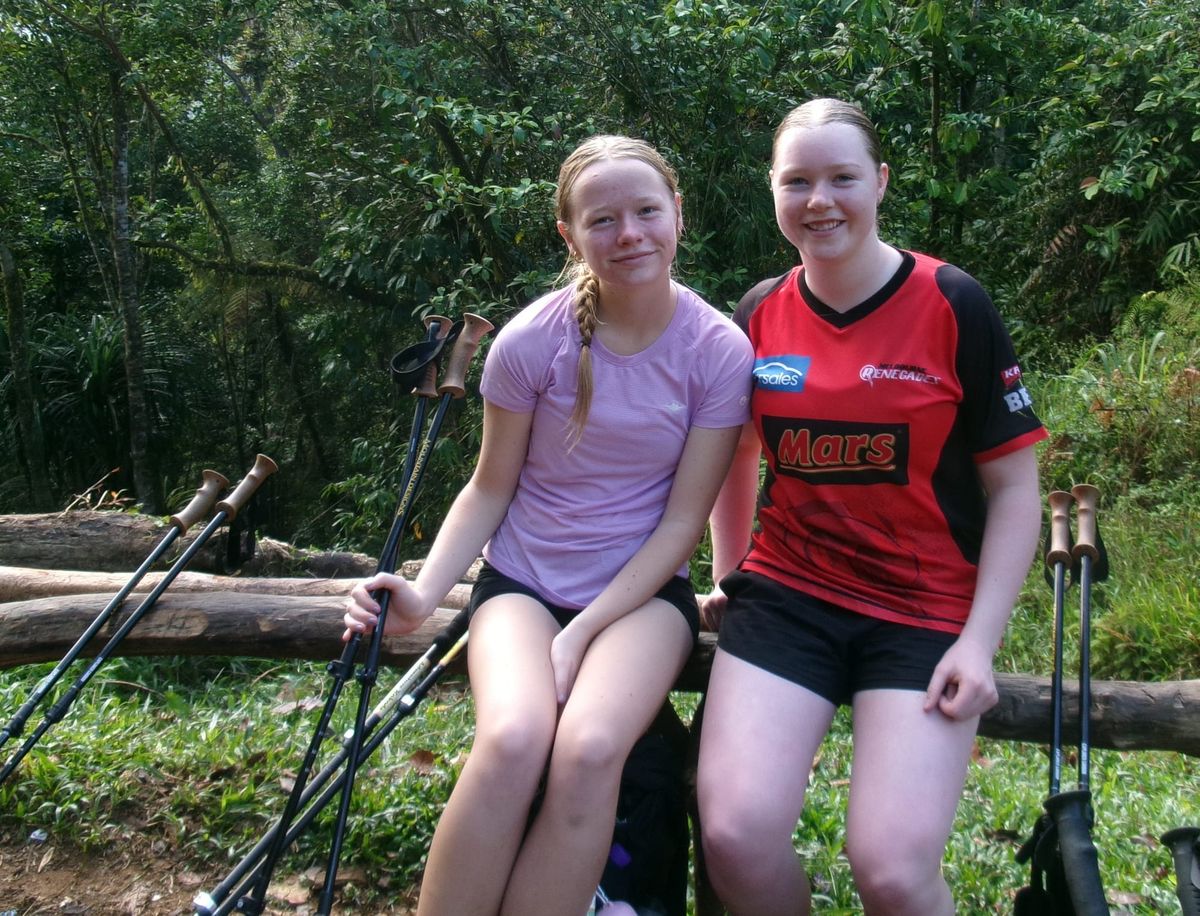
Kyabram’s Shylee Donaldson doubts her world will ever look quite the same again.
Which seems bizarre, because the event she describes as lifechanging lasted just nine days from start to finish.
And she spent much of that time gasping for breath as she trudged up steep mountains and trying not to fall over as her thighs burned and her knees jarred going down the other side.
Two weeks ago Shylee was coming out of steamy 35C jungle and this week she is in the high country at Falls Creek where, at the time of writing, the temperature was hovering around 0C and there was more than 30cm of snow on the ground.
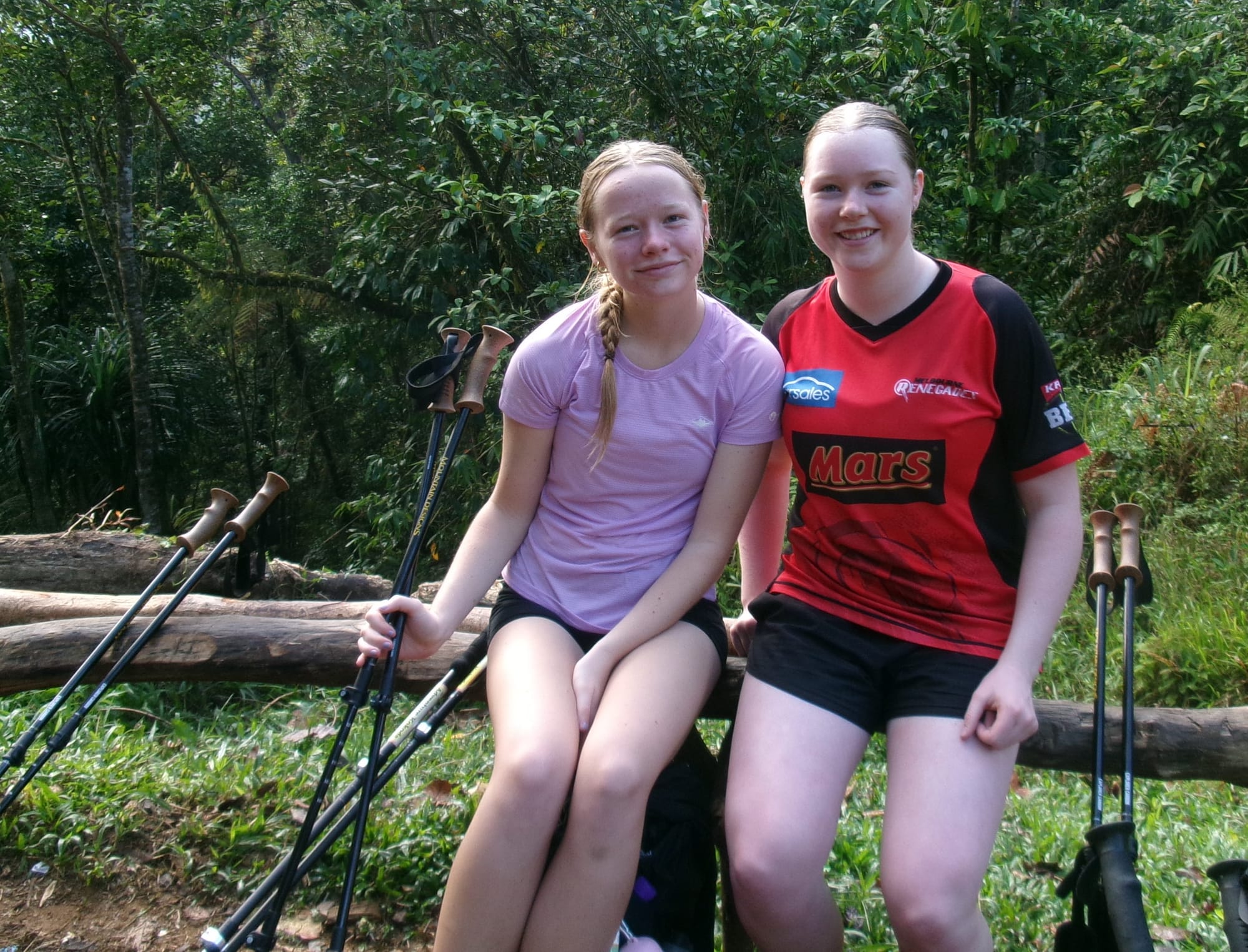
The Year 11 St Augustine’s College student was a Colin Sinclair Kokoda Scholarship recipient who joined four others from the Murray Plains electorate of The Nationals Peter Walsh to walk the Kokoda Trail in the term two holidays.
“It has changed me, I really see the world differently now, but I feel it is very hard to explain,” Shylee says.
“Before we went I expected to get a better understanding of the experiences of our soldiers who fought there,” she says.
“I have heard about it, read about it, but Tim Bull, who led our trek, was really able to personalise it, right down to where individual soldiers fought and died.
“On Brigade Hill we stood amongst the Japanese positions, and saw where the Australians went, how they were trapped on the side of the cliff for two weeks as they battled to hold the enemy back.
“When you have trekked up there, when you see it that close and hear Tim’s accounts of the battle, it is much more of a reality.
“You hear the numbers of the people killed it’s one thing, when you stand in Bomana War Cemetery and see the crosses, so many crosses, it’s just crazy to think they all represent a man – those numbers suddenly become very real.”
What Shylee came home with is, she says, a sense of gratitude, a sense of debt and a genuine belief she lives the life she does because men and women, like those buried outside Port Moresby, fought and died for Australia.
She says while walking the Kokoda was one of the hardest things she has ever done, she did it with porters, three meals a day, tents, beds and smiling faces everywhere.
The soldiers who battled up and down the Kokoda carried everything they needed, and if they couldn’t carry it, they didn’t get it.
“It would have been hard enough if you were well, but not many of them were, if you were wounded you had to keep going or you would be killed,” the 16-year-old explains.
“I didn’t get sick; my porter Joel was brilliant at catching me if I started to fall and carried more of my stuff than I did.
“I knew it would be hard, I just never realised how steep it would really be and yes, I did have quite a few falls and am glad I had my porter and my walking poles – but I would happily go back again.
“And I have made so many great friends, some are already trying to work out how we can go on a camping trip together.”
But if Shylee walked to discover herself, she also walked in memory of Kyabram soldier Bob Watt.
Each student is given a local soldier who fought and died at Kokoda, to research and to talk about to others in the group when they reach the scene of his last battle.
Shylee’s Private Watt was presumed killed in action near Efogi around September 5 in 1942 – how and where he actually died has never been confirmed, his body was never recovered for burial and today this 26-year-old is remembered on Panel 4 at Bomana and Panel 38 at the Australian War Memorial.
He was reported missing on September 5 and then reported killed in action on September 10 according to his records.
However, the official record of the 2/14th states he was killed on September 5 or shortly after, between Efogi and Myola.
It is suggested in the battalion’s history he was likely wounded then died as a result, while on one of the dangerous forward scout patrols which regularly ran into the Japanese.
In the thick jungle of the area, these patrols would often come across established Japanese positions and there was little hope of survival if this occurred. At the time he died his battalion was screening the withdrawal of the 2/16th through to Efogi and there were non-stop running skirmishes as patrols from both sides ran into each other.
“I get it now, we really do live our life because of them, and when we got to Bomana that’s what I said to Bob, that I would live my life to the best I can because of what he, and all the others did,” Shylee says.
“It was very moving to be at Bomana, to talk to your soldier, and then I put a poppy next to his name, to show him he wasn’t forgotten,” she says.
“Then I went amongst the headstones, where so many simply say ‘Known Unto God’, so many of them.
“So I found one to be mine, and sat down with him as well, put a poppy there and talked about what I had seen, and done, and learnt and what I will try and do with the chances I have.”
If reading about Shylee at this unknown soldier’s grave doesn’t make you cry, don’t worry, she doesn’t mind admitting she wept for you, and for herself – but mostly Shylee wept for that unknown, forgotten young man who lies there with all those other unknown and mostly forgotten men and the lessons they taught her in just nine days.